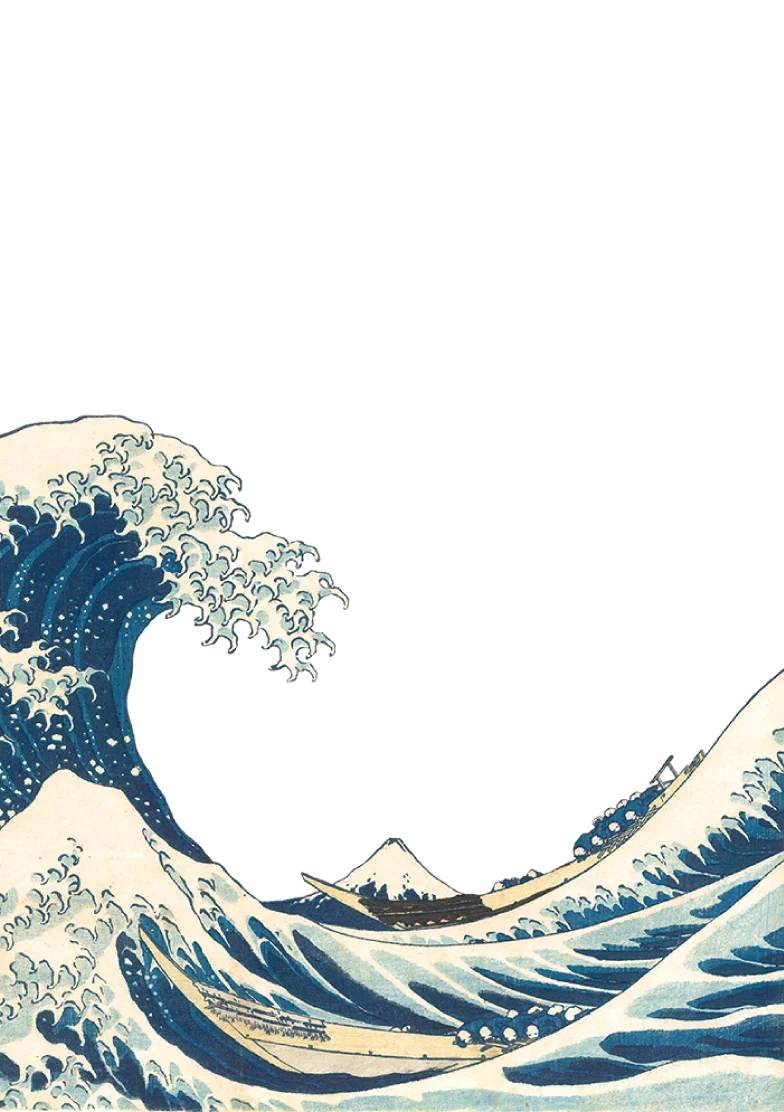

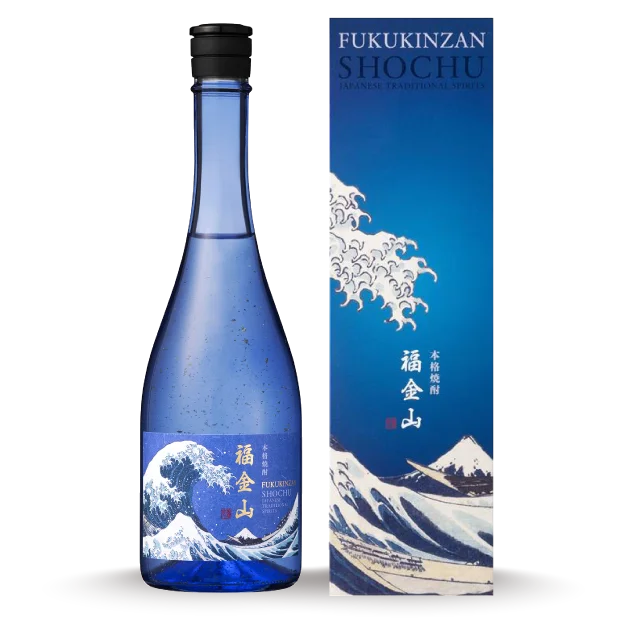


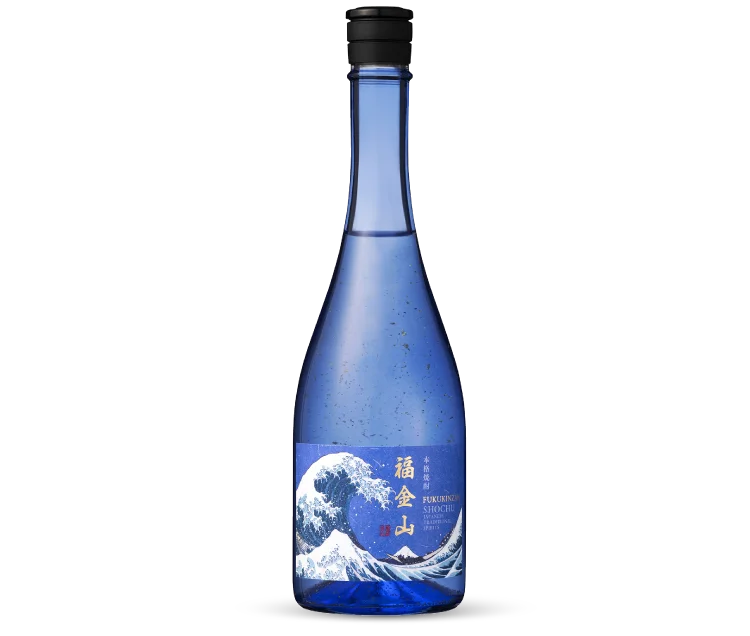
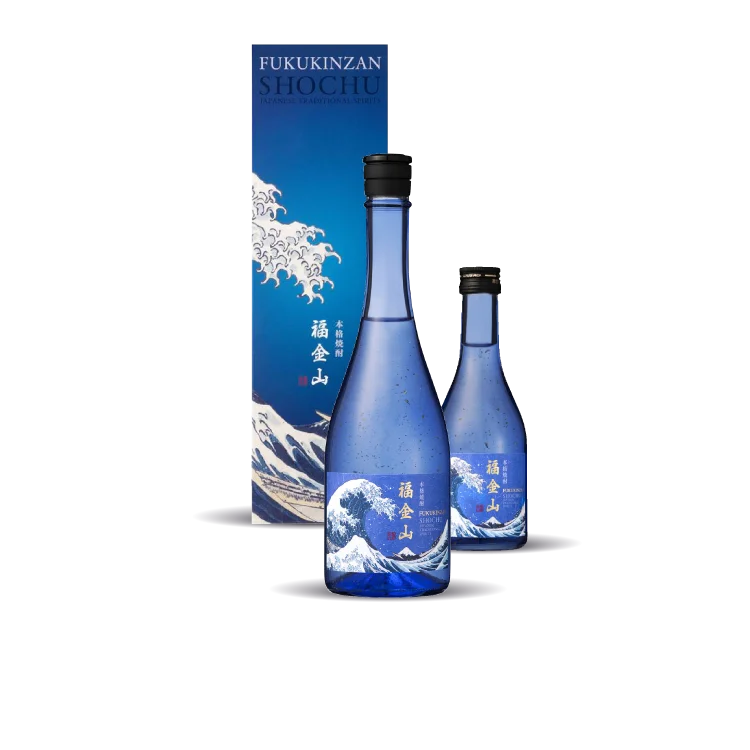
Katsushika Hokusai’s iconic masterpiece THE GREAT WAVE OFF KANAGAWA from the Thirty-Six Views of Mount Fuji series is featured as the key visual. This exquisite shochu takes ‘indigo’ as its unifying color theme, blending the dynamic splashes of ukiyo-e waves with gold leaf that dances gracefully inside the bottle.
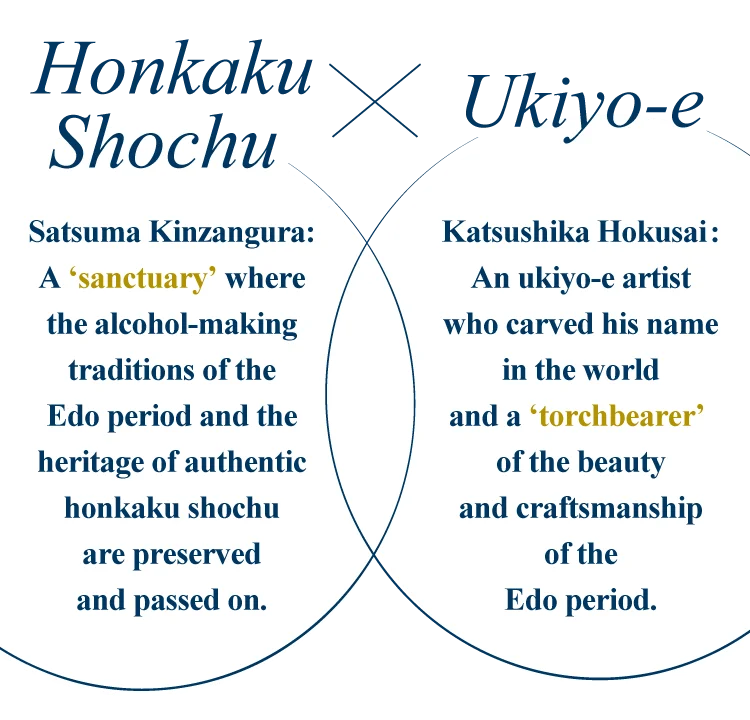
Supervision was provided by Mitsuru Uragami, the world’s foremost collector of Hokusai Manga, ensuring the artwork’s worldview is faithfully expressed.


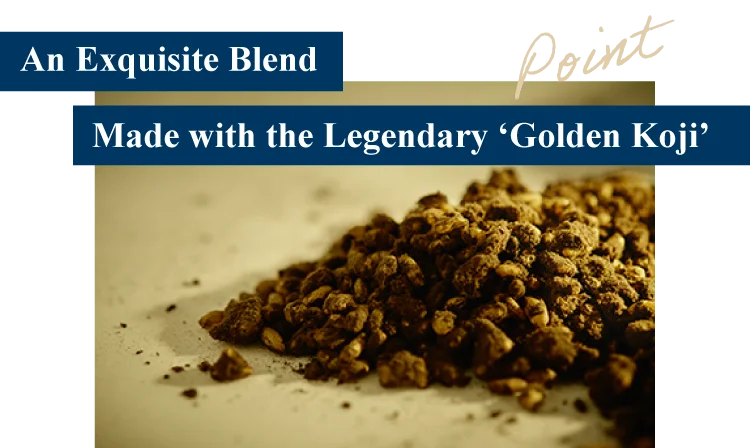
Golden koji is a special mold used exclusively at Kinzangura.
It is known for its fragrant, fruity sweetness and full bodied flavor. This shochu embodies the spirit of Kinzangura distillery.
Inspired by the historic Mount Kushikino Kinzan (“Gold Mine), this shochu features iconic gold leaf that sparkles beautifully in the clear blue bottle. The interplay of shimmering gold and ukiyo-e wave motifs creates a truly captivating presentation.
PRODUCT
INFORMATION
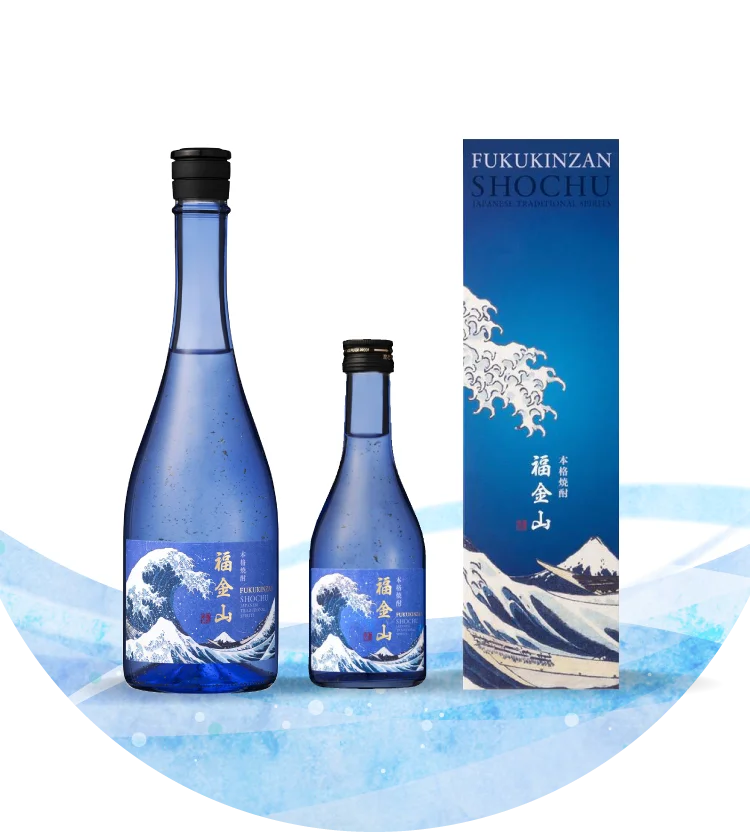
| Category | Honkaku Imo Shochu (Premium single-distilled spirit made from sweet potatoes) |
||
|---|---|---|---|
| Alc. | 25% ABV | ||
| Vol. | 720ml / 300ml | ||
| Ingredients | Sweet potato (from Kagoshima Prefecture), Rice koji (made with domestic rice, white koji mold, and Golden Koji mold), Gold flakes | ||
| MSRP (Inc. Tax) |
720ml : ¥3,300 | 720ml(With box) : ¥3,500 | 300ml : ¥1,980 |


Katsushika Hokusai (1760–1849) is one of Japan’s most celebrated artists from the late Edo period. Over his 90-year life, he produced an extraordinary range of works—actor portraits, bijin-ga, landscapes, illustrations, bird-and-flower paintings, and hand-painted pieces—leaving achievements that far exceeded the boundaries of ukiyo-e. His masterpieces, including Thirty-Six Views of Mount Fuji (46 works in total) and the 15- volume drawing manual Hokusai Manga, were beloved by both commoners and feudal lords, becoming what we would now call bestsellers. From the mid-19th century, his works spread to Europe and helped spark the Japonisme movement. In 1998, America’s Life magazine listed Hokusai among “The 100 Most Important Events & People of the Past 1,000 Years,” the only Japanese figure included. Today, exhibitions and events dedicated to Hokusai continue to be held worldwide, and his works still inspire and astonish audiences.
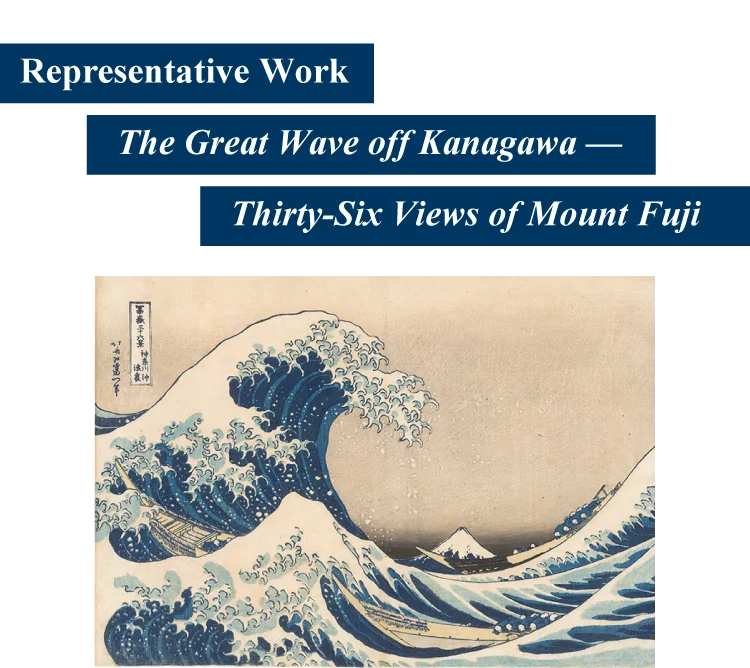
This piece, created when Hokusai was in his seventies, is the most celebrated of all 46 works in the Thirty-Six Views of Mount Fuji series. It captures the dramatic moment when the crest of a towering wave—its foam like countless grasping hands—threatens small boats caught between the swells. Known internationally as The Great Wave, it is often regarded as the most famous Japanese artwork in the world. While the crew struggles against the raging sea, Mount Fuji stands calm and unmoving in the distance. The contrast between motion and stillness, near and far, combined with Hokusai’s use of the vivid pigment ‘Berlin Blue,’
profoundly influenced European artists such as Manet, Monet, Degas, and Van Gogh. The impact extended even to music—Debussy’s symphonic poem La mer famously featured this artwork on the cover of its sheet music.